Insurance and bonding for a auto detailing business
General liability, commercial auto, workers comp / WSIB, tools and equipment, and (where relevant) bonding; typical cost drivers and what actually protects the owner.
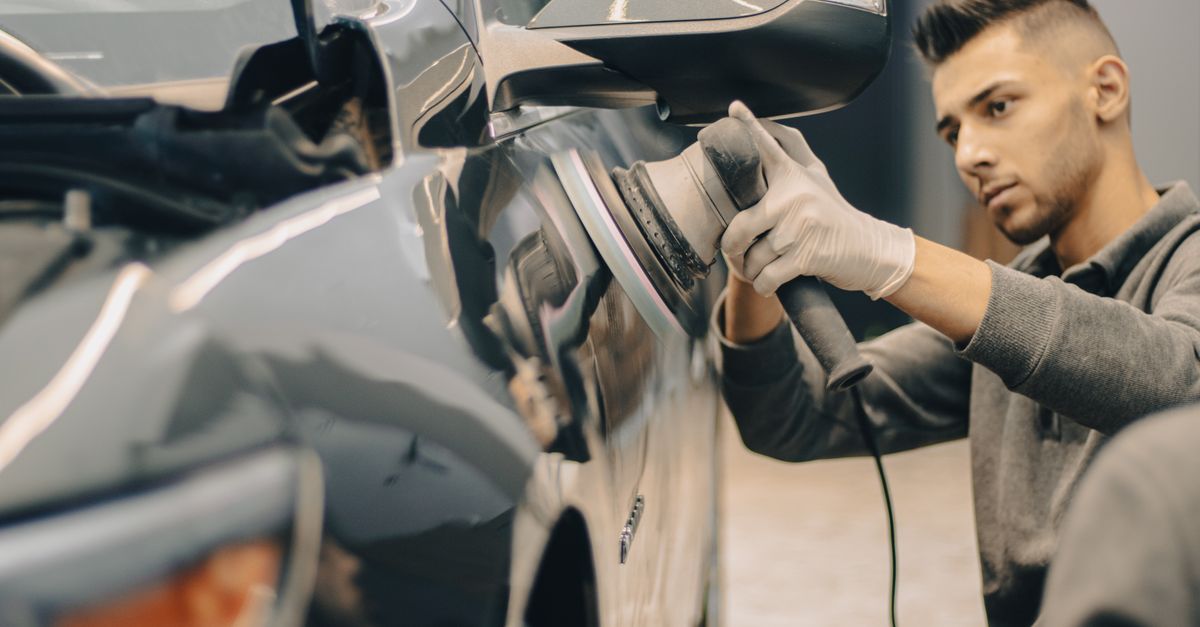 Dextar Studio ™ · Pexels
Auto detailing businesses face unique risks from handling customer vehicles, using chemicals, and working in varied locations. Selecting the right insurance and bonding protects both operations and personal assets from unexpected claims or losses. Owners should evaluate coverage based on their specific setup, such as mobile services versus a fixed shop, and consult licensed agents familiar with the industry in their region.
General Liability
This coverage addresses claims for bodily injury or property damage caused during detailing work, such as a customer slipping on a wet floor or paint damage from overspray.
- It typically includes legal defense costs up to the policy limit when a third party sues.
- In the US, policies often start with per occurrence and aggregate limits that owners can adjust based on annual revenue and number of jobs.
- Canadian provinces follow similar structures through private insurers, though some require proof of coverage for business licensing.
- Key cost drivers include claims history, the volume of high-risk services like ceramic coatings, and whether the business employs subcontractors.
- A policy that explicitly covers mobile operations and chemical spills is crucial, while it typically excludes intentional acts or damage to vehicles left in your care.
Commercial Auto
Standard personal auto policies usually deny claims when a vehicle is used for business detailing, leaving owners exposed during transport of equipment or client cars.
- Commercial auto covers liability for accidents involving work vans or trucks plus physical damage to those vehicles.
- In the US, it is often required if the business owns or leases vehicles, with rates influenced by driver records and the radius of operations.
- Canada treats this similarly, but some provinces bundle it with provincial auto plans that add mandatory no-fault benefits.
- Owners can reduce gaps by adding hired and non-owned auto coverage for employee-driven vehicles or rented equipment haulers, protecting when staff handle customer cars.
Workers Compensation or WSIB
Most US states mandate workers compensation for businesses with employees to cover job-related injuries like chemical burns or strains from detailing work.
- Employers pay premiums based on payroll and job classification codes specific to auto services.
- In Canada, WSIB applies in Ontario and similar provincial boards elsewhere, functioning as a no-fault system funded by employer assessments.
- Differences arise because US coverage can be purchased privately in most states, while Canadian programs are often government-administered with set contribution rates.
- Cost drivers include the number of employees, safety records, and whether mobile work increases injury exposure outdoors.
- This insurance protects owners by shielding personal assets from lawsuits and ensuring injured workers receive medical and wage benefits without direct business liability.
Tools and Equipment
Business personal property or inland marine policies cover tools, pressure washers, and detailing supplies against theft, fire, or damage at a shop or in transit.
- Owners should schedule high-value items separately to avoid underinsurance during a loss.
- In both the US and Canada, these endorsements attach to a general liability or commercial package policy.
- Realistic annual premiums vary widely with total equipment value and storage security measures such as alarms or locked vehicles.
- Protection comes from replacement cost valuation rather than actual cash value, plus coverage for tools left overnight in work vans when listed on the policy.
Bonding
Bonding is not always required for routine detailing but becomes relevant for contracts with fleets, dealerships, or government entities that demand financial guarantees.
- A surety bond, typically a license bond or performance bond, assures clients that the business will complete work or pay for defaults.
- US requirements differ by state for certain registrations, while Canadian municipalities may request bonds for municipal lots or public contracts.
- Cost drivers center on the bond amount, the business credit history, and claims experience, with fees often a percentage of the bond value.
- It protects the owner indirectly by enabling larger jobs without tying up cash reserves, though it does not replace liability insurance for actual damages.
General information for auto detailing business owners, not legal or financial advice.
This guide is general information for auto detailing business owners, not legal or financial advice. Some outbound links may be affiliate or sponsored links, which are disclosed and never affect our recommendations.
Get guides like this weekly
Join The Auto Detail Bench Weekly. One useful email a week, free.
Subscribe free